Infection Control and HIPAA
PTA 103 Intro to Clinical Practice 2
Start with the narrated PowerPoint presentation (depending on the speed of your connection, this might take awhile to download)
There is some review of physiology and terminology associated with infection control.
If you would like to take notes along with the presentation, you can download the Infection Control notes page
Procedures and rationale for infection control goes into greater detail in the text reading:
Pierson, Approaches to Infection Control
It is important to be prepared to select the common syndromes and their respective methods of infection/isolation. Resources to support your learning are found on
As a PTA, you are expected to be able to describe the common clinical syndromes described in the text and to protect yourself and others from the spread of infection. The link to information about TB describes progressive steps used to prevent TB infection. Many hospitals will provide specific orientation and procedures to managing a patient with active TB infection, including testing staff/students on current policy and procedures. The major difference to note is the use of a filtration mask (N-95) in airborne isolation.
One of the more prevalent nosocomial infection is MRSA. The narrated PowerPoint includes a graphic representation of Routes of Infection. Use the illustration to support the information in the text and PowerPoint presentations regarding contamination and prevention.
In Procedure 2-4 of your text, there is a description and illustration of mask and gown donning procedures. Beginning with step 'O', you will see a demonstration of 'Closed glove technique'. I find this method of glove donning confusing and it has a higher potential for contamination for novice practitioners who are not preparing for surgery. In lab, you will practice (and be tested on) 'open-glove technique' which is described and illustrated in Procedure 2-6, so you can focus your studying for PTA 103 on open-glove techniques. Specific instruction on techniques for skill checks are included in PTA 103L.
Linked CDC websites that include background information, methods of infection, signs and symptoms and prevention are your source material for meeting course objectives related to knowledge of infection and subsequent disease.
Transmission involves the following stages
Different pathogens have different modes of transmission. For example respiratory pathogens are usually airborne and intestinal pathogens are usually spread by water or food.
The main routes of transmission are listed below
A cold can be caught by shaking the hand of a person who has a cold and who has just used their hand to wipe their dripping nose. The mucus from the nose will be teeming with cold virus particles such as the rhinovirus, which causes one third of colds in adults. Once the cold virus particles are on the hands of the second person they are contaminated and the virus can be transferred into their nose by their fingers.
Hepatitis B and HIV can be spread through sexual intercourse or sharing used syringe needles contaminated with infected blood.
A cold or the flu can be caught from the saliva of an infected person when you kiss them.
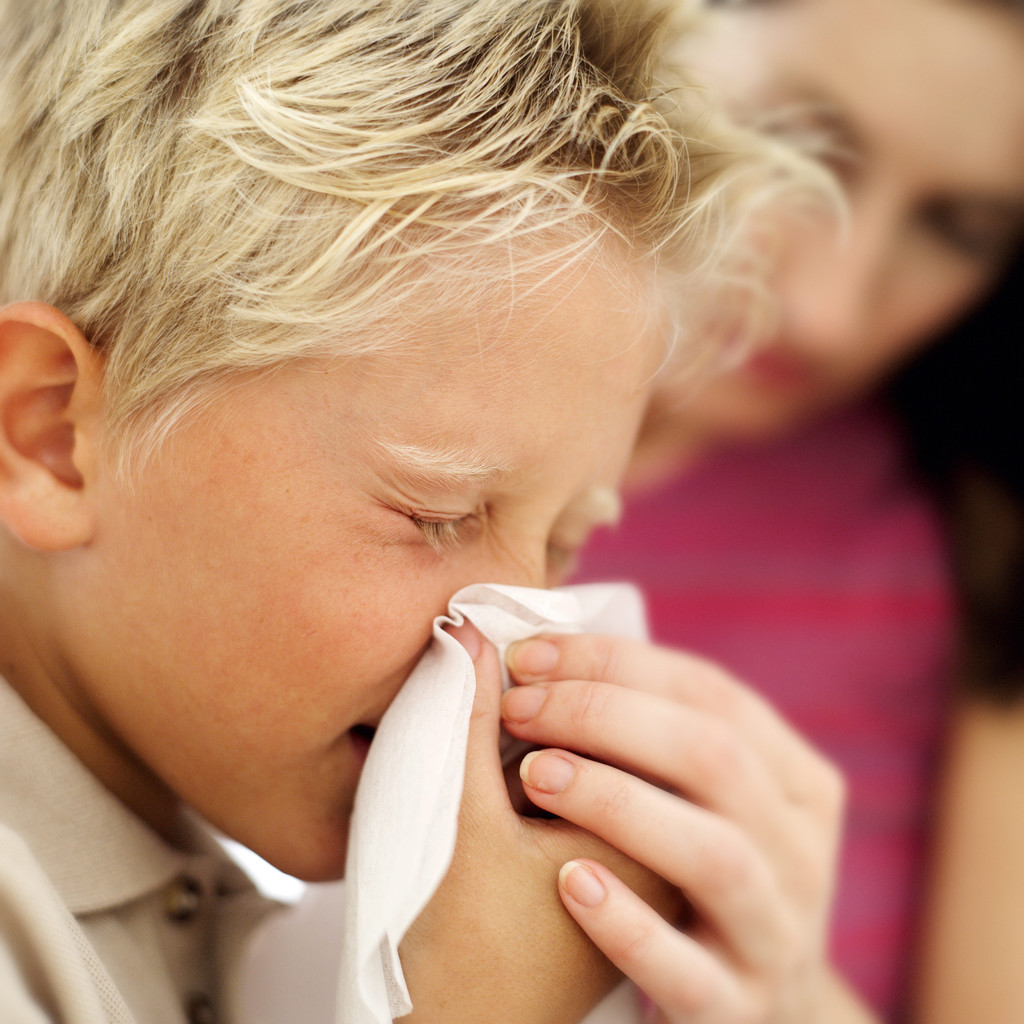
Measles, mumps and tuberculosis can be spread by coughing or sneezing. A cough or a sneeze can release millions of microbes into the air in droplets of mucus or saliva which can then infect somebody else if they breathe in the infected particles.
Microbes need nutrients for growth and they like to consume the same foods as humans. They can get into our food at any point along the food chain from 'plough to plate'. Therefore great care must be taken at every stage of food production to ensure that harmful microbes are not allowed to survive and multiply. If they do they can cause the unpleasant symptoms of food poisoning such as sickness and diarrhea, when the contaminated food is eaten.
Microbes can be spread from one food to another during the preparation process, for example by unclean hands, or dirty kitchen utensils, and cause illness when those foods are eaten. This is known as cross-contamination.
Some diseases are caused by drinking water that is contaminated by human or animal feces, which may contain disease-causing microbes. Clean water, hygiene and good sewerage systems prevent the spread of water-borne diseases such as typhoid and cholera.
Insects are responsible for spreading many diseases. Malaria is spread from person to person by certain species of female mosquito carrying the protozoan Plasmodium falciparum. The parasite enters the human host when an infected mosquito takes a blood meal. Bubonic plague (Black Death) is a bacterial disease of rodents caused by Yersinia pestis. It can be spread to humans and other animals by infected rat fleas. People usually get plague from being bitten by a rodent flea that is carrying the plague bacterium.
Insects can also transmit pathogens to food; house flies are very good at spreading Salmonella and E.coli O157. They feed on fecal waste and transfer microbes from their feet and other body parts to food. The microbe does not invade or multiply inside the fly.
This is a non-living object such as bedding, towels, toys and barbed wire that can carry disease-causing organisms. The fungus Trichophyton that causes athlete's foot can be spread indirectly through towels and changing room floors.
The fungus thrives in the damp warm environment found between the toes. The skin between the fourth and fifth toe is usually affected first. A flaky itchy red rash develops. The skin becomes cracked and sore and small blisters may appear. If the infection is left untreated it can spread to other parts of the body.
humorous break to review proper coughing and sneezing technique!
HIPAA
As learned in PTA 100, the Health Insurance Portability and Accountability Act (1996), HIPAA, establishes federal guidelines for maintaining and disclosing protected health care information In this lesson, we will learn about the history and definitions of protected health information. There are case studies included in the reading and activities to help you assess your knowledge of HIPAA.
After completing this lesson, the student will be able to
First, view this screencast on HIPAA content exam success
This linked HIPAA Power point presentation, adapted from the University of Texas for our PTA curriculum, summarizes major areas of compliance for health care students. Abbreviations to learn are covered in the slide show. There are some practical examples of how HIPAA applies to students. All of the information to pass the HIPAA Case Study PNP self-test is included in the Power point presentation. You can download a copy of the PowerPoint notes page to help with your study.
The Department of Health and Human Services has several web based resources for consumers and providers. HIP AAfor Consumers provides a very readable format for how HIPAA applies to everyday occurrences. Most of the information you need (glossary terms) is included in the six topic headings for consumers.
A comprehensive Summary of Privacy Rules has detailed, technical information about HIPAA. This is included as supplemental reading in case you are needing additional information to help you understand the concepts included in the Power point or in the HIPAA for Consumers resource. The main pages which I think provide helpful in-depth descriptions are:
"Who is Covered Under the Privacy Rule"
"What Information is Protected"
"General Principles for Uses and Disclosures"
"Permitted Uses and Disclosures"
Remember, as a student PTA, you will use your CI and CCCE as a resource for how the clinical facility protects information. We expect that you will be able to define and recognize protected health information so that you will know when to ask questions about disclosure. Additionally, I have copied an inclusive list of personal identifiers that are considered protected information under HIPAA (see Moodle book chapters). Be sure you can discriminate between what may and may not be protected for a given case example. The Lesson 1 of the HIPAA Tutorial is included for its case example and its summary definition of Administrative Simplification. It is part of a course available for purchase, however, I have included its free sample for its case study and summary of administrative terms.
Summary of Privacy Rules (see above for specific pages)
The following list contains criteria that, if included with health information, may result in allowing personal identification of the source fo the information:
1. Names;
2. Addresses;
3. Dates*;
4. Telephone numbers;
5. Fax numbers;
6. Email addresses;
7. Social Security numbers;
8. Medical record numbers;
9. Health plan numbers;
10. Account numbers;
11. Certificate/license numbers;
12. Vehicle identifiers and serial numbers, including license plate numbers;
13. Device identifiers and serial numbers;
14. Web Universal Resource Locators (URLs);
15. Internet Protocol (IP) address numbers;
16. Biometric identifiers, including finger and voice prints;
17. Full face photographic images and any comparable images; and
18. Any other unique identifying number, characteristic, or code**
*Dates- All elements of dates (except year) for the dates directly related to an individual, including birth date, admission date, discharge date, date of death; and all ages over 89 and all elements of dates (including year) indicative of such age, except that such ages and elements may be aggregated into a single category of age 90 or older.
**Unique identifying number- This does not refer to the unique code assigned by the investigator to code the data. Source: http://www.slu.edu/division-of-research-administration-home/institutional-review-board-(irb)/hipaa
Accessed 07/02/14