

Neurogenic Bladder
- Bladder dysfunction from CNS neurologic disorder or trauma to CNS
- Tumors, SCI, TBI, ALS, CVA, MS, diabetic neuropathy, chronic UTI's
- Failure to store, empty or both.
- Lack of impulse coordination in the nervous system.
- Dysfunction of bladder or urethra
Causes of Urinary Retention
- Antihypertensives - Aldomet, Apresoline
- Anti-Parkinsonian drugs - Leva dopa
- Antihistamines
- Anticolinergics- Atropine
- Antispasmodics
- Sedatives and spinal anesthesia
- Anesthesia
- Urethral obstruction
- Psychological

Value: 1
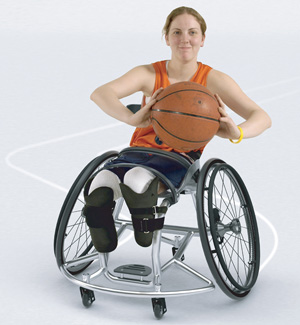
A pt who has a spinal cord injury health condition can be at a higher risk of having a Neurogenic bladder condition
- Symptoms = urination on exertion, urination without sensation, chronic UTI's, inability to actively control bladder and urination.
- Medical treatment may include hormone replacement therapy and medications
PT Treatment for Neurogenic Bladder
- Pelvic floor mm strengthening exercises
- Kegel is the most commonly known exercise and is most effective in stress incontinence
- E-stim
- Used to stimulate or decrease over activation of pelvic floor and sphincter mm: electrodes are placed internally
- Biofeedback
- Timed voiding: coordinated with E-stim and biofeedback to retrain recognition and coordination of neurological components.
- "Pelvic PT" and "Womens' Health" are often terms used in PT to treat disorders associated with the pelvic floor
- PT for treating conditions of the pelvic floor is an area of specialization for female and male physical therapy providers

Cystocele
- Fallen bladder - prolapsed
- Etiology: related to heavy lifting, straining during bowel movements, decreased estrogen concentrations, child-birth
- Grades are based on severity of prolapse
- Grade One: bladder drops into vagina
- Grade Two: bladder has sunk into opening of vagina
- Grade Three: bladder protrudes into vaginal opening
- May require surgical re-positioning (bladder sling) for stabilization
Benign Prostate Hypertrophy/Hiperplasia (BPH)
.png)
https://commons.wikimedia.org/wiki/File:Benign_Prostatic_Hyperplasia_(BPH).png
- Prostate enlarges at age 40
- Affects 90% of men over 70
- Enlargement results in urethral compression with reflexive bladder contraction regardless of urine volume: frequency and urgency of micturition increases.
- Bladder can become thickened and distended
- Symptoms include hesitancy to urinate or thin/weak stream of urine flow, urgency to urinate, leaking or dribbling of urine, nocturnal frequency
Medical interventions for BPH
- TUMT: Trans urethral microwave thermotherapy: heats and destroys excessive prostate tissue.
- TUNA: Transurethral needle ablation: radio frequencies burn prostate tissue
- TURP: Transurethral resection of the prostate: surgical intervention to resect prostate tissue
This link provides a refresher of the GU A&P and then goes into BPH and TURP descriptions
Role of PTA in providing interventions for those affected by GU conditions
- Patients may often confide GU complaints, and signs and symptoms of GU dysfunction to PT/PTA
- The patient's medical care providers may be unaware of patient GU complaints
- The PTA needs to
- Document patient complaints and communicate patient complaints to PT
- Maintain neutral communication and take care to engender trust and open communication
- Patient. may need support and education in the use of equipment and supplies to prevent social isolation and disability
- Patient may need education in the role of incontinence in contributing to their own decline in function and mobility
- Be aware of new or progressive complaints of acute flank pain (posterior trunk) or low back pain of non medical origin
- Consult with primary PT and refer back to primary care provider (PCP) as indicated
- Monitor BP due to additional stress on kidney function with urinary disorders
- Assist in positioning pt. out of supine to decrease stress on kidneys.
- Assist healthcare team with fluid input and output monitoring during patient encounters. May include assisting with urine collections "hat" and catheters before disposing/flushing of toilet. Communicate with CNA/RN regarding pt fluid intake and output.
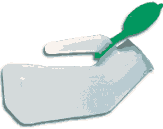
This device is used by men to collect urine when unable to use a commode or toilet
- Monitor catheter position at bedside and during PT to prevent reflux into bladder: maintain gravity assisted positioning.
- Instruct pt's in airway clearance and mobility post-op GU surgery
- Modify activities according to pt response with ambulation following surgery such as prostate resection.
- No abdominal crunches or high impact exercises post op
- No abdominal crunches or high impact exercises in women with GU dysfunction
- Instruct in kegel exercises
- Instruct in abdominal and dynamic pelvic floor exercises with hip external rotation and abduction as prescribed by PT
- Instruct in body mechanics, pacing and prioritizing for proper lifting when cleared by physician.
- Modalities with advanced training outside of our PTA program for pelvic floor muscle re-education, biofeedback, autonomic nervous system self-monitoring
- Maintain neutral presence with pt disclosure of sexual abuse/dysfunction, maintain pt confidentiality and dignity.
- Communicate with PT when above conversation(s) disclosures about sexual abuse occur during treatment.
- Avoid assumptions about sexual activity or sexual orientation during patient education; use culturally neutral language when discussing patient-led concerns about sexual dysfunction as it relates to PT plan of care.
